

Neuromodulation Therapy (NMT)
Targeted nerve communicating pathway optimization for rapid pain relief and sensory/motor function restoration.
View Service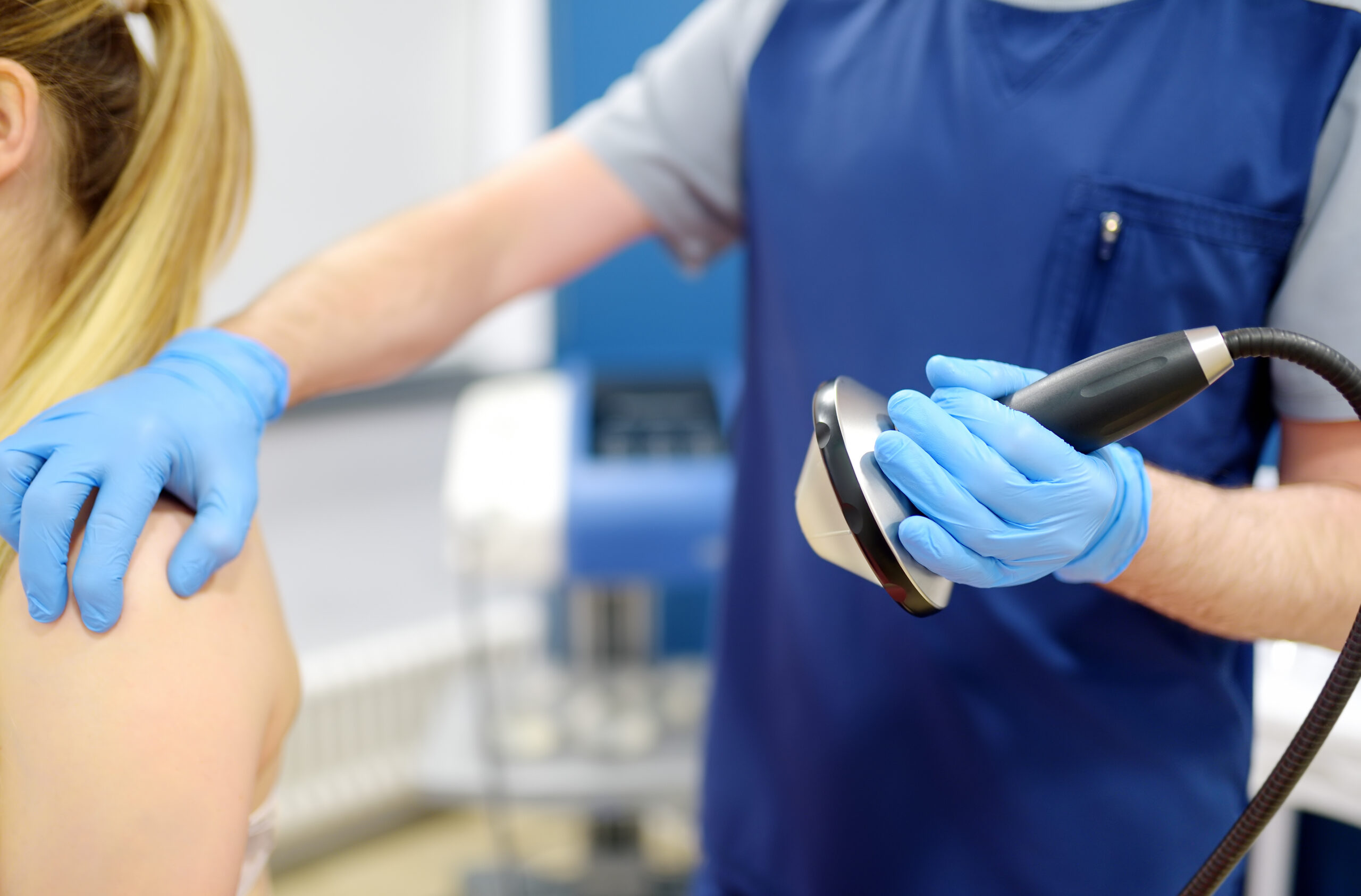

Focused Shockwave Therapy (FSWT)
Deep focused shockwave energy to break up painful adhesions and calcifications.
View Service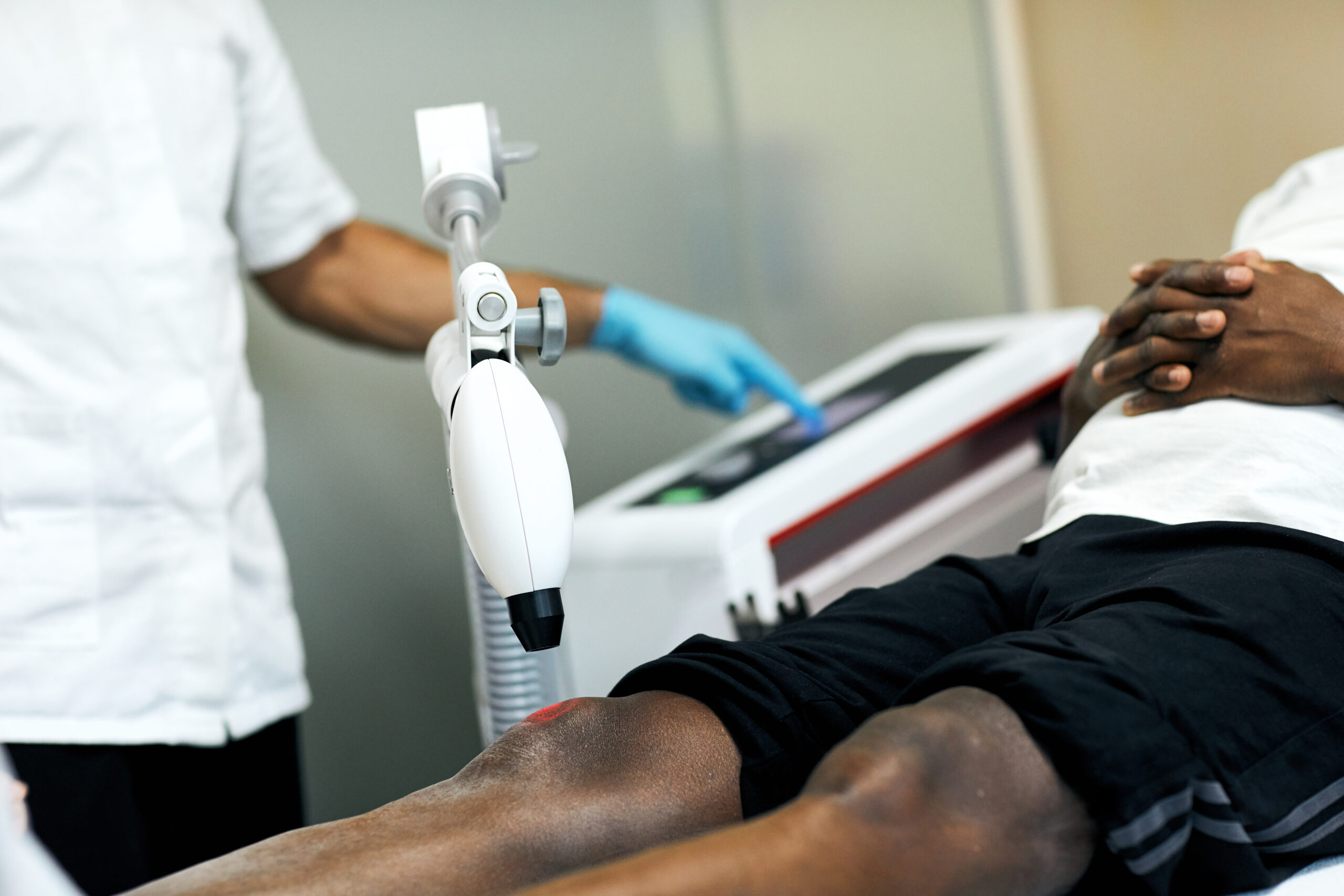

High Intensity Laser Therapy (HILT)
Deep targeted laser energy for rapid pain relief and accelerated repair and recovery.
View Service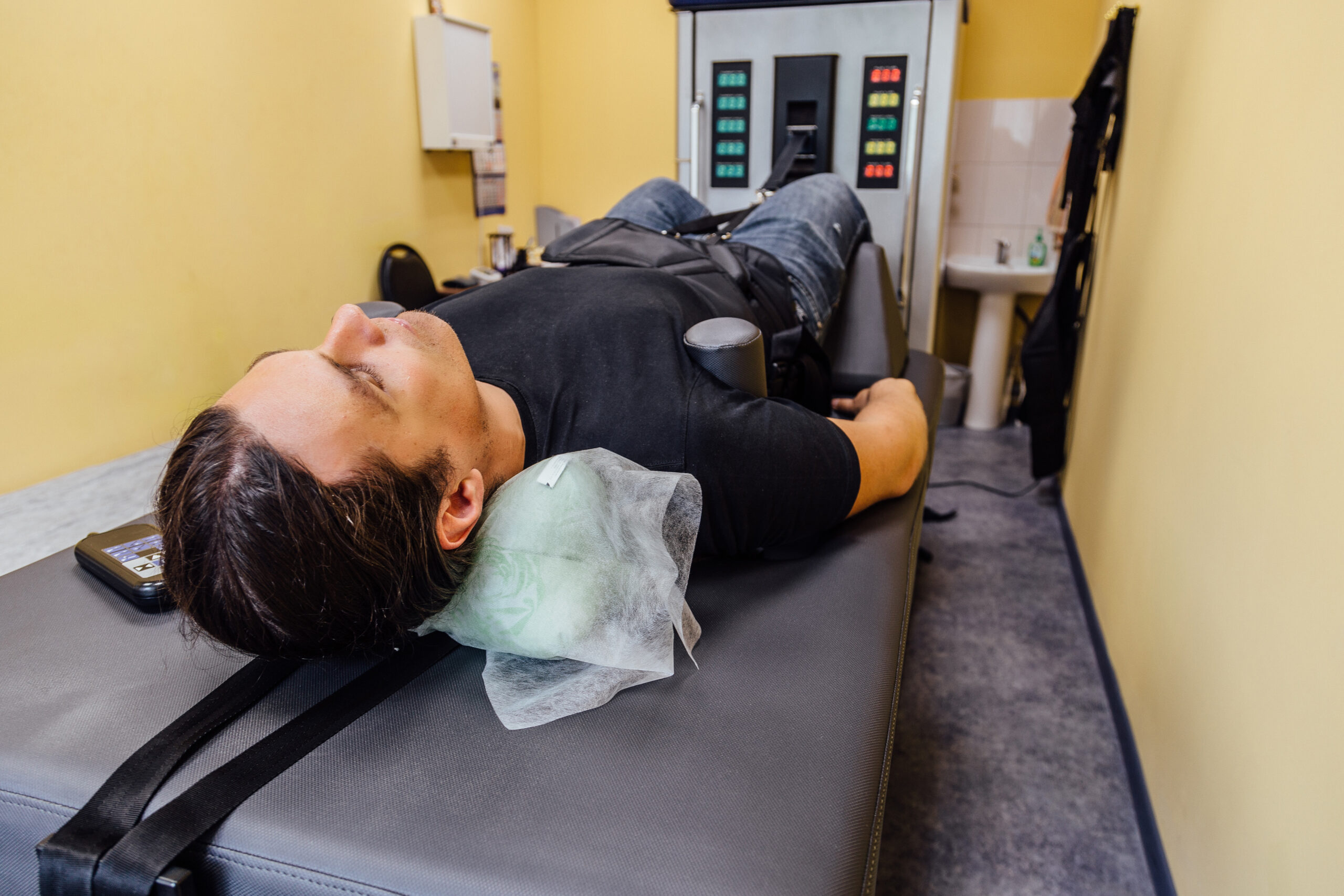

Robotic Spinal Decompression Therapy (RSDT)
Automated, targeted spinal robotics for optimal repair and recovery.
View Service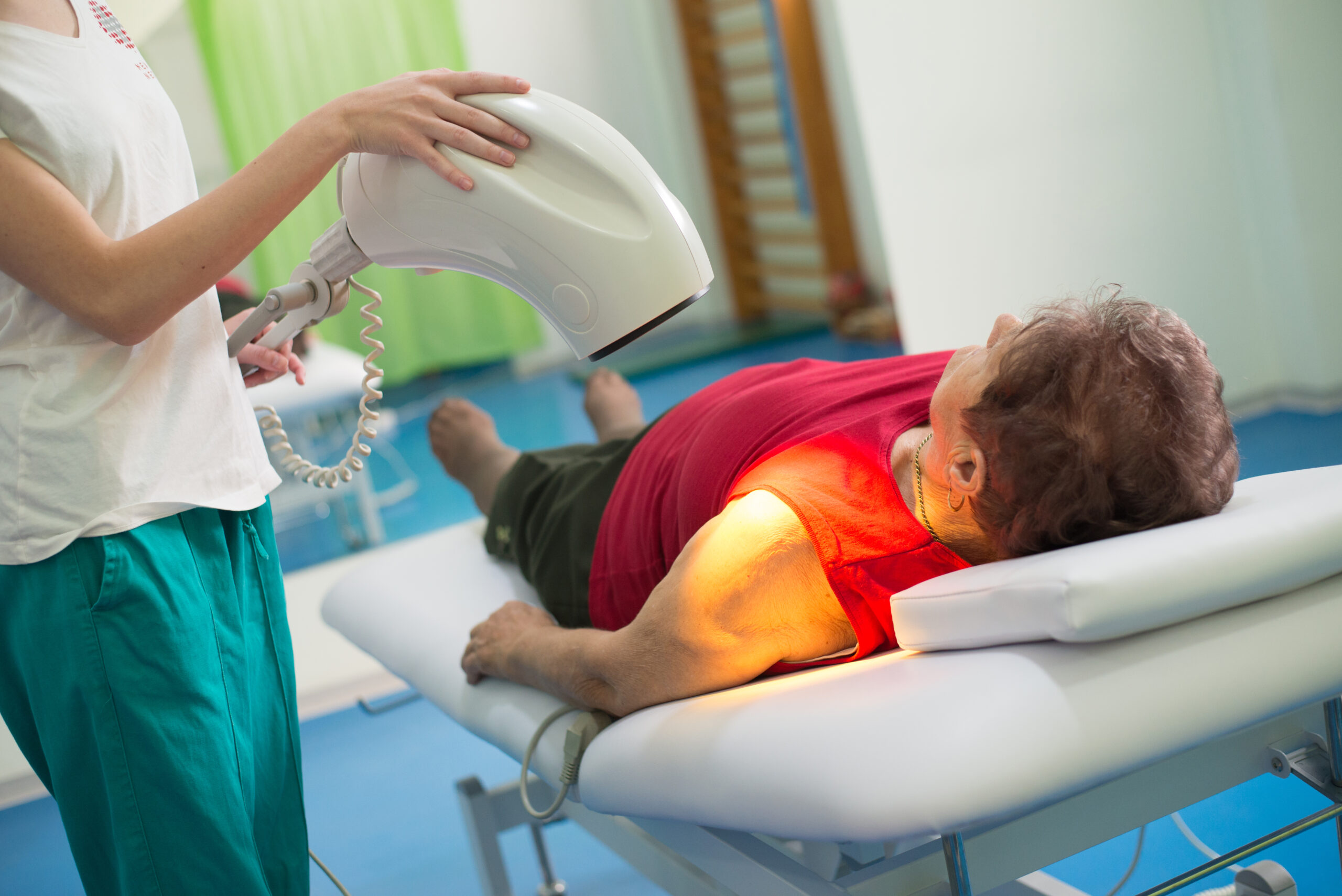

Photobiomodulation Therapy (PBMT)
Broad general light energy stimulation for increased cellular energy and accelerated recovery.
View Service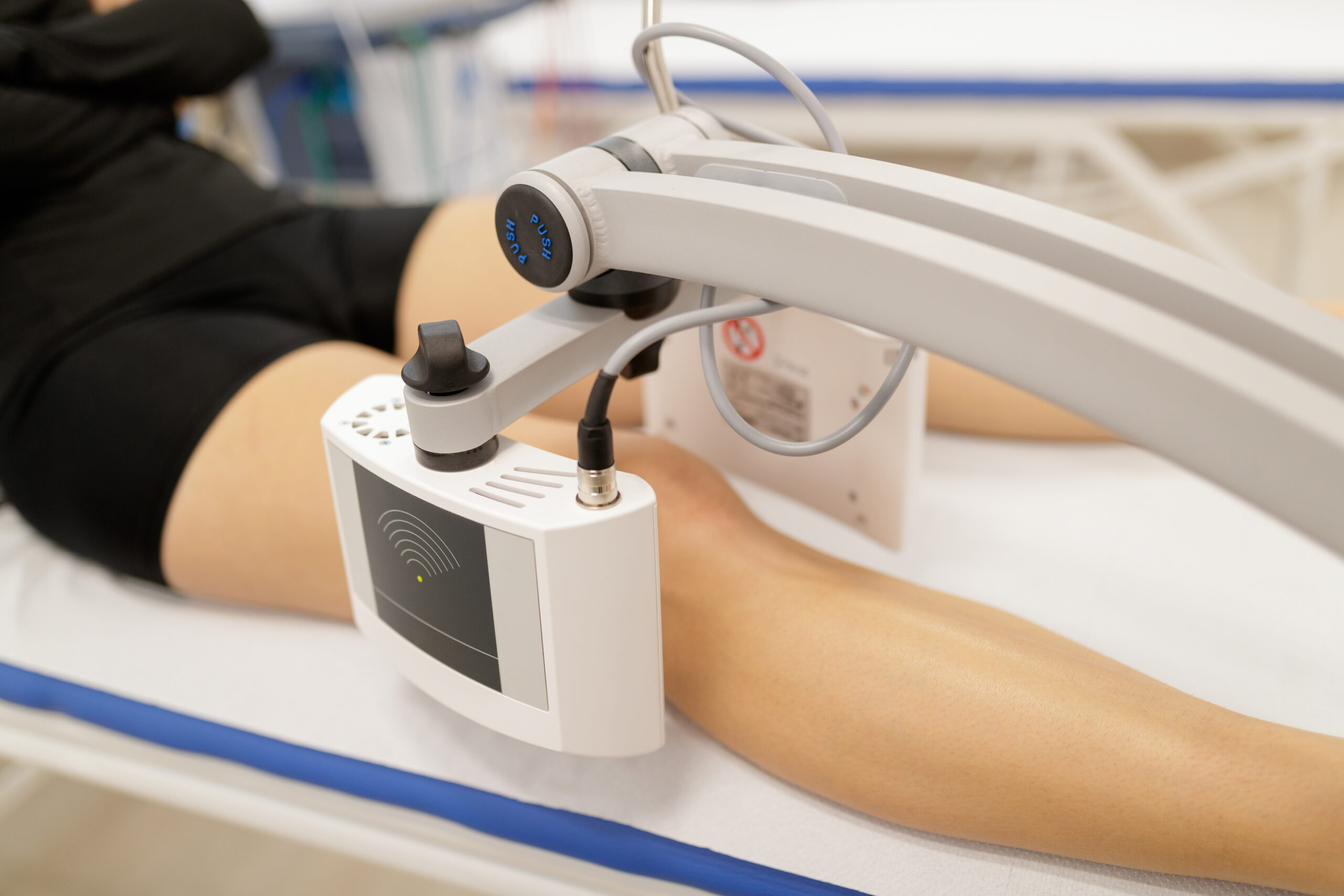

High Intensity Pulsed Electromagnetic Therapy (HIPEMF)
Deep targeted magnetic energy for rapid pain relief and optimal cellular functioning.
View Service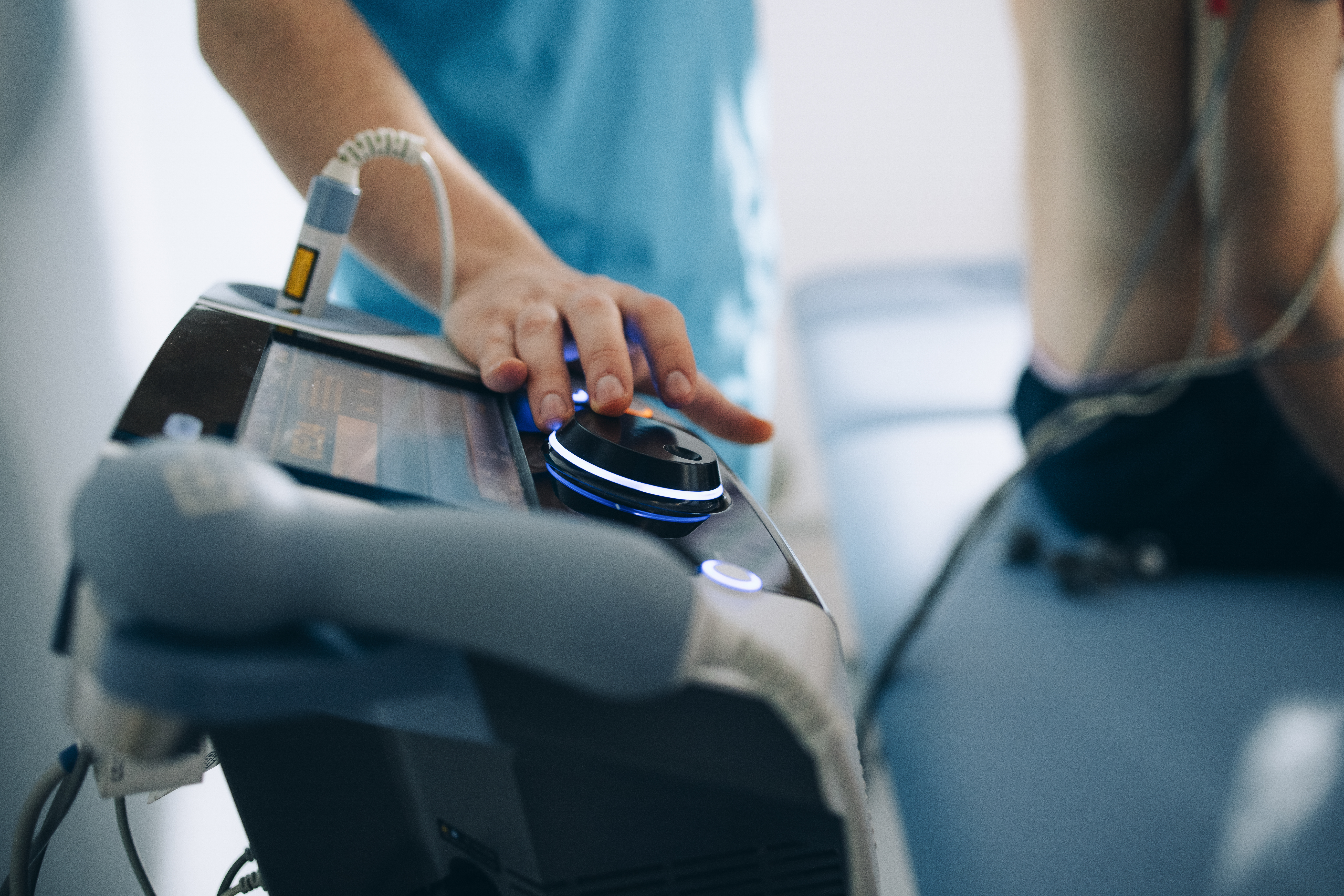

Lymphatic Resonance Modulation Therapy (LRMT)
Gentle, electro-photomechanical stimulation for oedema and swelling.
View Service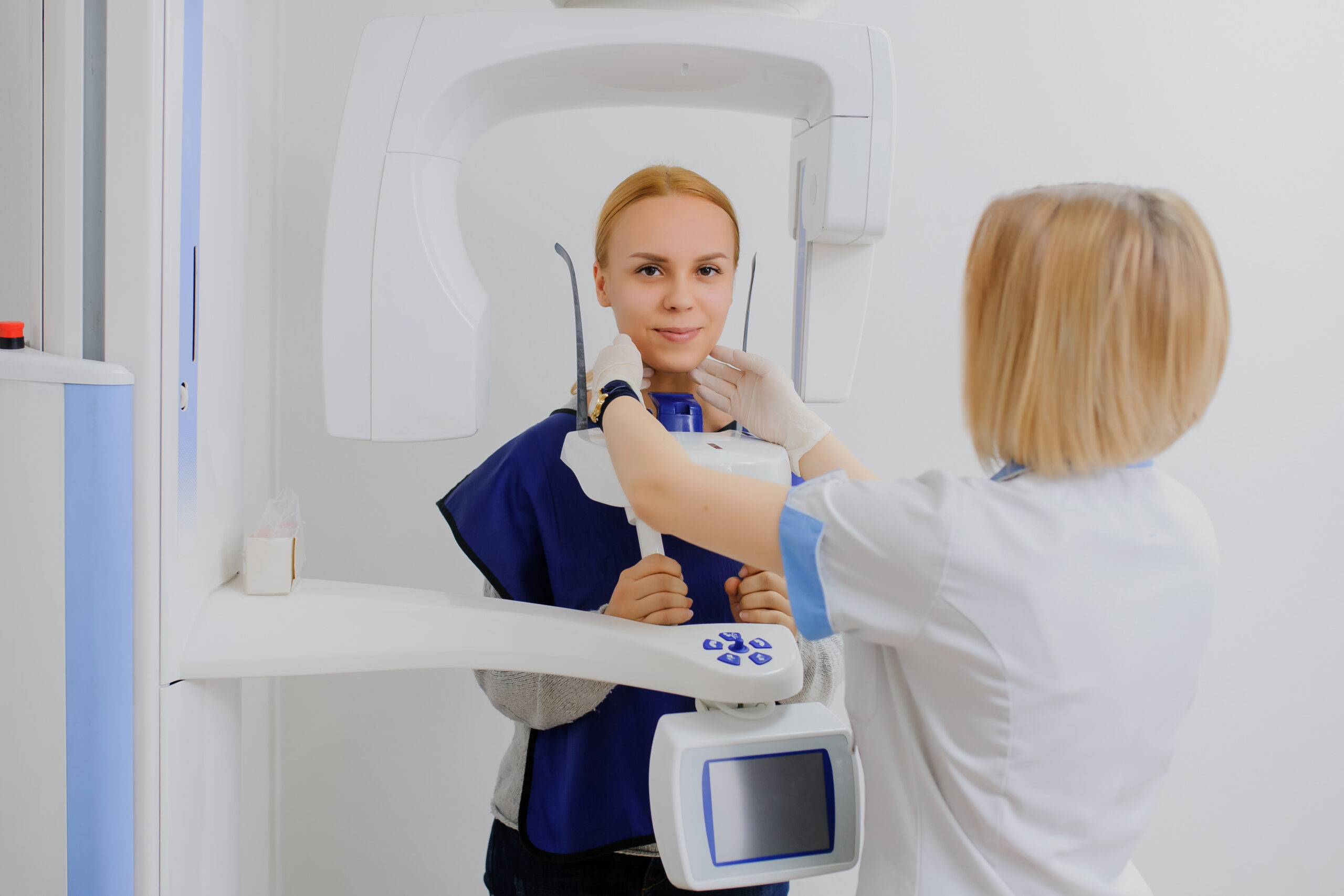

Cranialcervical Therapy (CCT)
Stabilization of the cranialcervical complex for optimal repair and recovery.
View Service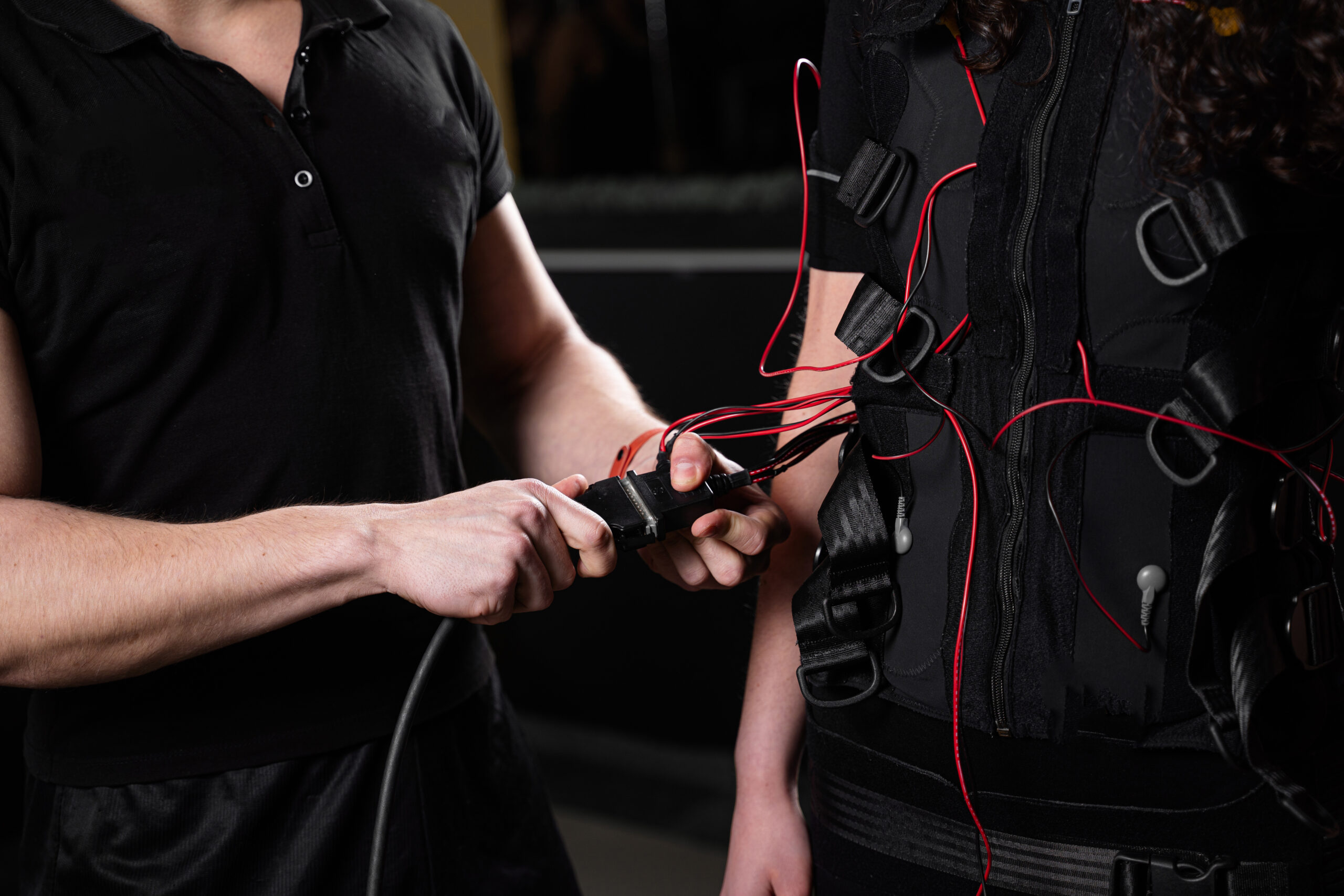

Neuromuscular Re-education (NMR)
Retraining of proper movement and communication pathways for optimal functioning.
View Service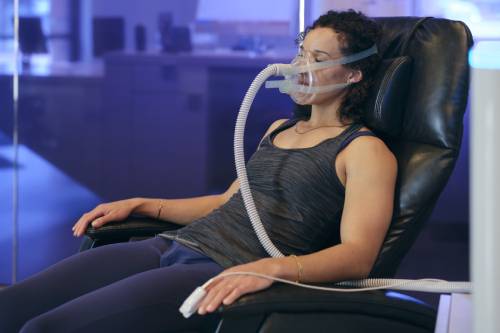

Enhanced Oxygen Therapy (EOT)
Advanced oxygenation technique for optimal repair and recovery.
View Service

Personalized Nutraceutical Therapy (PNT)
Detailed nutritional blueprint for optimal repair and recovery.
View Service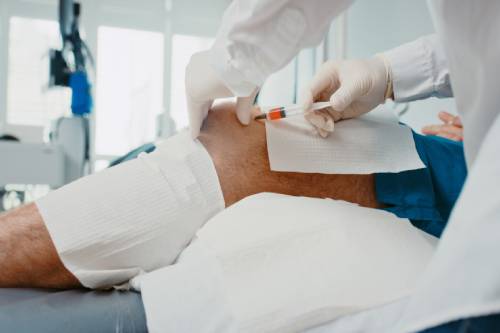

Regenerative Injection Therapy (RIT)
Targeted, natural musculoskeletal injections for optimal relief, repair and recovery
View Service